


Talk to Trip Expert
+977 9851274449
Email us
info@buddysjourney.com
Everest Base Camp Trek
14-day Everest Base Camp trek itinerary in Nepal. Experience a high-altitude trek to Everest Base Camp. Plan your trek to the Himalayas today!
-

Trip Duration
14 Days -
Trip Difficulty
Difficult -
Max Altitude
5,545m / 18,192ft. -
Group Size
2-16 People -
Start/End
Kathmandu -
Best Season
Mar-May, Sep-Nov -
Meals
B, L & D Included -
Accommodation
Teahouse & Lodge -
Transportation
Flight, Tourist Bus


Trip Highlights
- It is one of the most memorable experiences in the Himalayas.
- Mountain top flights Kathmandu to Lukla Scenic flight Kathmandu to Lukla which is among the most popular mountain flights in the world.
- Hiking in the attractive Sagarmatha National Park.
- Venturing in the Sherpa capital of Namche Bazaar.
- Going to the famous Tengboche Monastery that looks into the Himalayas.
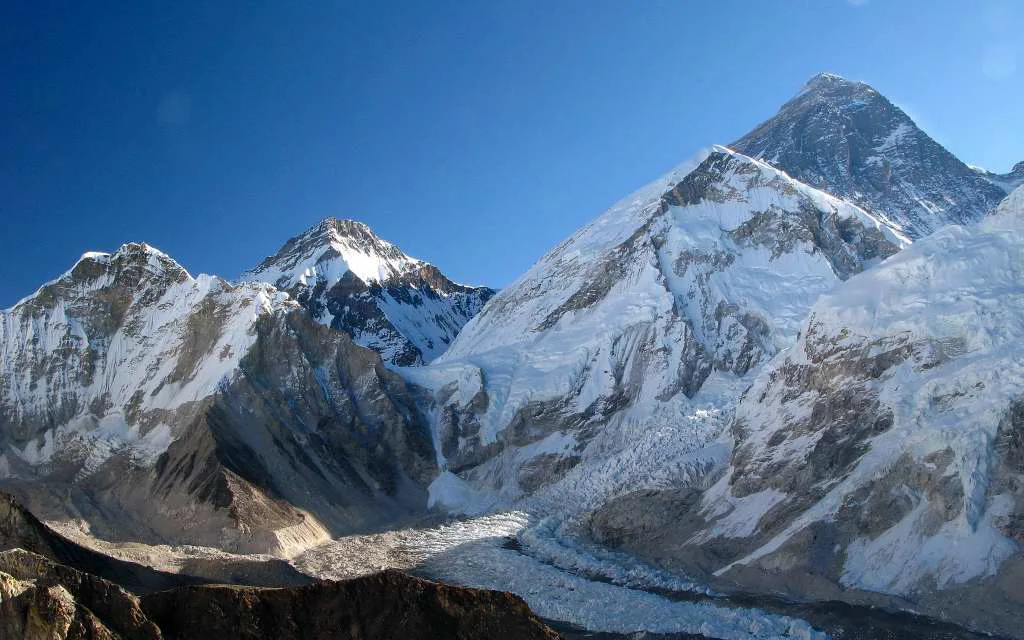
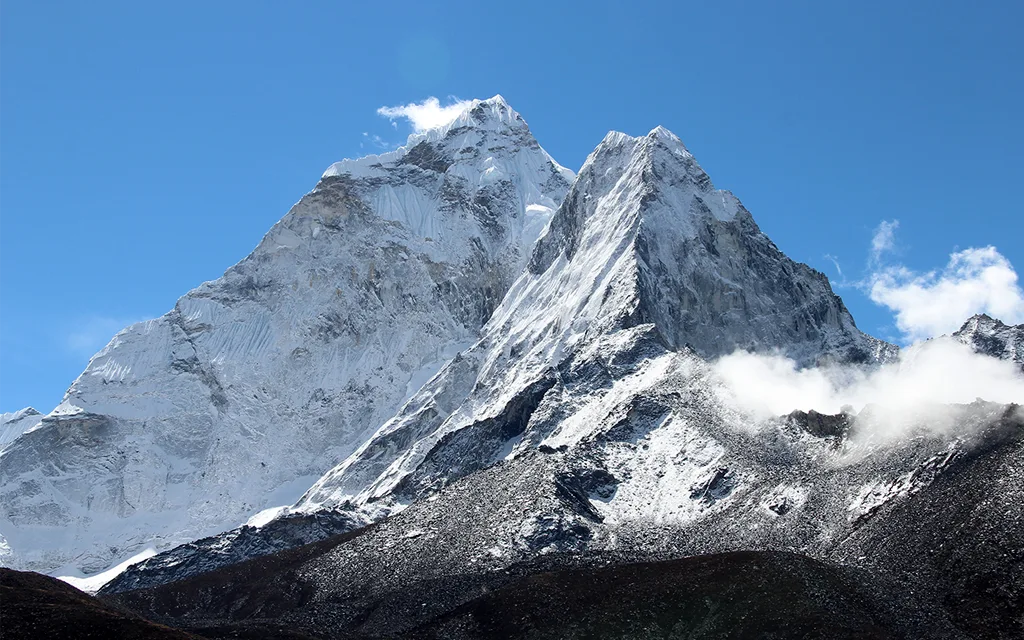
- Intimate visits to Mount Everest, the Ama Dablam, Lhotse, and Nuptse.
- It is a monumental feat of reaching the Everest Base Camp at 5,364 meters.
- Mountain hike to Kala Patthar to have panoramic view of Everest.
- Enhancing Himalayan culture and Sherpa culture in the trail.
- Your safety is our top priority.
- Best value, guaranteed.
- Expert and passionate team.
- Create your own perfect trip
- Effortless booking, clear pricing.
Talk to Trip Expert
+977-9851274449
Overview of Everest Base Camp Trek
Everest Base Camp Trek is one of the most famous trekking adventures in Nepal and one of the dream experiences of the trekkers all over the world. This mythological hike, which takes one to the foot of the highest mountain on earth, Mt. Everest, is found in the Khumbu region of Sagarmatha National Park. The path is an outstanding fusion of dramatic Himalayan scenery, Sherpa rich culture, and a moderate walking expedition to explore safely the high-altitude territory. In case the Trek to the Everest Base Camp is done with the proper acclimatization and preparation, trekkers with a fairly good fitness level and will can manage to successfully complete the trek.
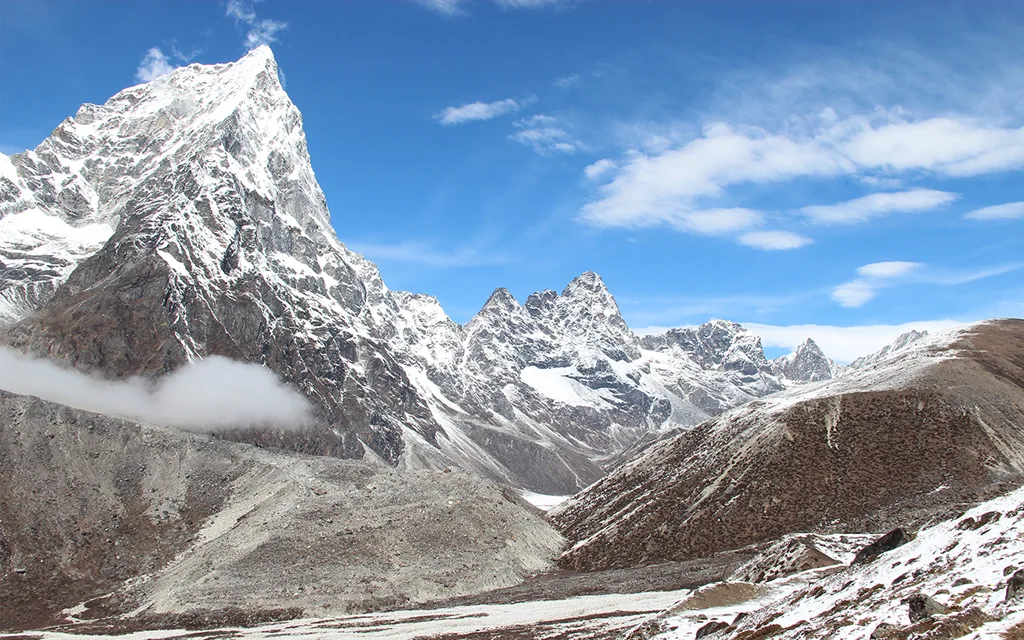
It starts with a picturesque mountain flight of Kathmandu to Lukla which is regarded as one of the most exciting flights in the world. Leaving Lukla, the path slowly climbs up through the classic Sherpa villages, suspension bridges, river valleys, and thickets. With the altitude, the scenery changes to rugged mountainous being with huge mountains like Ama Dablam, Lhotse, Nuptse and finally to Mount Everest. The landscape is different every day on the path, which is why the experience of the trip is always rewarding.
The cultural depth of the Everest Base Camp Trek is one of the most dominant aspects of the trek. The Sherpa people live in the Khambu region of which their lives are intertwined with the mountains and the Tibetan Buddhism. As they progress, trekkers see old monasteries, mani walls, prayer wheels and colorful prayer flags which have a reflection of spiritual practices of the area. The villages like Namche Bazaar, Tengboche, and Dingboche can give an insightful understanding of Sherpa way of life, hospitality and survival in the extreme high altitude.
Namche Bazaar is an important part of the trek because it is a business place and an acclimatization point. All the time spent here gives the trekkers time to adjust to the altitude as they view the magnificent, breathtaking sceneries of Everest and adjacent mountains. The slowness and acclimatization days provided in the itinerary are crucial towards minimizing the chances of the altitude sickness and providing a safer hiking experience. This slow climb is among the most important factors that justify the great popularity of the 14-day Everest Base Camp Trek as compared to the short-term itineraries.
The higher up the trail one goes, the more difficult but at the same time spectacular the environment becomes. The land is full of glaciers, icefalls, and rocky moraines, which gives the real feeling of high-altitude wilderness. Visiting the Everest Base Camp alone is an emotional and dramatic experience to most of the trekkers as it is an individual success and as well as a touching attachment to the highest mountain in the world. The journey is as significant and memorable as the Everest Base Camp is their primary destination.
The Everest Base Camp Trek is not technically challenging yet physically demanding, mentally challenging as well as properly trained. The weather, the height, and the number of hours spent walking during a day may be challenging and it needs to be prepared and with a positive attitude. Nevertheless, the hardships are compensated with the achievement and unforgettable experiences that one receives on the way, which makes this hike one of the most enjoyable journeys in the world.
What to Expect on the EBC Trek
The Everest Base Camp Trek is a very difficult hike but can be successfully accomplished through good training and the right attitude. Long walking days, high altitude conditions, and unpredictable weather such as cold morning and snow are to be expected by trekkers.
The accommodation is primarily in simple, but cozy teahouses with warm meals and a homely environment. The progressive day of acclimatization in such villages as Namche Bazaar and Dingboche can prevent altitude sickness. Nonetheless, the expedition rewards the travelers with the stunning Himalayan scenes, the introduction to the Sherpa culture and the deep sense of accomplishment. A slow and steady approach is all that is needed to have a safe and memorable trip.

Outline Itinerary
Detailed Itinerary of Everest Base Camp Trek
You will start your adventure at Kathmandu the busy capital of Nepal. Upon arrival at the airport, you are picked and then you check into your hotel and attend a briefing session on treks with your guides during which they will give you the itinerary of the trek, necessary trekking tips, and check your equipment. It is an ideal day to unwind, become oriented to the city and be ready to go on the trip.
-
Duration: 45 mins drive
-
Max Altitude: 1,400 m / 4,593 ft (Kathmandu)
-
Accommodation: Hotel
In the early morning, you will have a scenic flight to Kathmandu to Lukla one of the most exciting mountain airstrips in the world. As soon as you arrive, you start hiking to Phakding. It is a fairly simple trail which takes one through pine forests along the Dudh Koshi River (with several famous suspension bridges). The village of Phakding is a simple village that has teahouse facilities and an opportunity to get acclimatized to the trekking life.
-
Duration: 35 mins flight, 4 hrs trek
-
Max Altitude: 2,610 m / 8,563 ft (Phakding)
-
Meals: Breakfast, Lunch, Dinner
-
Accommodation: Teahouse
The path is slowly climbing towards Namche Bazaar, the Sherpa capital. You go across various suspension bridges along the way as well as communities of small villages, with the view of Everest and other Himalayans. Namche Bazaar is a vibrant settlement that has shops and cafes as well as markets. This day is quite a challenging day because the altitude is gradually rising.
-
Duration: 6 hrs trek
-
Max Altitude: 3,440 m / 11,286 ft (Namche Bazaar)
-
Meals: Breakfast, Lunch, Dinner
-
Accommodation: Teahouse
High altitude trekking is vital to acclimatization. Today, you take a day off in Namche Bazaar and go on a small walk to either an Everest View Hotel or any other viewing points. The day gives your organism time to acclimatize to the elevation besides providing stunning views of Everest, Ama Dablam and other mountains. Another activity that you can do is to visit the local markets and meet the Sherpa people.
-
Duration: Exploring Namche Bazar
-
Max Altitude: 3,440 m / 11,286 ft (Namche Bazaar)
-
Meals: Breakfast, Lunch, Dinner
-
Accommodation: Teahouse
The adventure carries on to Tengboche where the Tengboche Monastery is located. The route goes through rhododendron bushes and open valleys, and magnificent mountain views are on its path. Tengboche Monastery offers a peace of spirituality and one of the most beautiful panoramas of the Everest world.
-
Duration: 5-6 hrs trek
-
Max Altitude: 3,860 m / 12,664 ft (Tengboche)
-
Meals: Breakfast, Lunch, Dinner
-
Accommodation: Teahouse
You then go down then up over picturesque valleys to Dingboche. The road cuts through the traditional Sherpa villages and yak herds. Dingboche is situated at a greater elevation and the best views of Ama Dablam and Lotse are seen here. It is the first actual feeling of high-altitude trekking in this village, which warms your body up to even higher levels.
-
Duration: 5-6 hrs trek
-
Max Altitude: 4,410 m / 14,469 ft (Dingboche)
-
Meals: Breakfast, Lunch, Dinner
-
Accommodation: Teahouse
The next acclimatization day will be at Dingboche. Trekkers are able to make short hikes to adjacent hills to enhance altitude acclimatization. The day is utilized in rest, observation of high peaks and getting physically and mentally ready to the Lobuche-Gorak Shep trek. It lays stress on adequate hydration and rest.
-
Duration: 3-4 hrs short hike
-
Max Altitude: 4,410 m / 14,469 ft (Dingboche)
-
Meals: Breakfast, Lunch, Dinner
-
Accommodation: Teahouse
The path leads slowly to Lobuche with memorials of climbers who have died in Everest. The topography turns to be more mountainous featuring glacial moraine and meager vegetation. Lobuche can be used as a base station where one hopes to reach Gorak Shep and the Everest Base Camp. The teahouses are here plain, and the elevation is more strongly experienced.
-
Duration: 5-6 hrs trek
-
Max Altitude: 4,940 m / 16,207 ft (Lobuche)
-
Meals: Breakfast, Lunch, Dinner
-
Accommodation: Teahouse
The day opens by the walk to Gorak Shep where there is the last settlement before the Everest Base Camp. You then proceed to the Everest Base Camp after taking a short rest and this is the centre of Khumbu Glacier. The fact that I am standing on the top of the highest mountain in the world is one massive achievement and one experience that I cannot forget. The night after staying in the base camp you get back to Gorak Shep.
-
Duration: 5-6 hrs trek
-
Max Altitude: 5,164 m / 16,942 ft (Gorak shep)
-
Meals: Breakfast, Lunch, Dinner
-
Accommodation: Teahouse
Today, you rise early to have a hike in sunrise to Kala Patthar, the most magnificent view of the mountain Everest. The panoramic sceneries of Everest, Nuptse, Lhotse and the other peaks are breathtaking. Having had breakfast at Gorak Shep, you walk down to the relaxing village of Pheriche where tea houses are prepared to relax you after climbing the high altitude.
-
Duration: 8 hrs trek
-
Max Altitude: 5,545 m / 18,192 ft (Pheriche)
-
Meals: Breakfast, Lunch, Dinner
-
Accommodation: Teahouse
The downward progression goes on to Namche Bazaar. Downhill walking is less stressful to the legs but it has to be done with caution. The trek route crosses through scenic valleys and tiny villages which allow the trekking people to look back on the path. Namche bazaar provides some comfort that is familiar and an opportunity to celebrate what the trek has accomplished up to this point.
-
Duration: 6-7 hrs trek
-
Max Altitude: 3,440 m / 11,286 ft (Namche Bazaar)
-
Meals: Breakfast, Lunch, Dinner
-
Accommodation: Teahouse
The expedition ends with a prolonged walk down to Lukla. The path is less difficult than climbing but trekkers can be exhausted after days of trekking in high altitudes. Lukla is the final teahouse accommodation and the celebratory before heading to Kathmandu.
-
Duration: 6-7 hrs trek
-
Max Altitude: 2,860 m / 9,383 ft (Lukla)
-
Meals: Breakfast, Lunch, Dinner
-
Accommodation: Teahouse
A morning flight will bring you back to Kathmandu where you have a day of rest, shopping and sightseeing. The trekkers take this day to recuperate after the trek experience and enjoy the adventure in the city.
-
Duration: 3 hrs sightseeing
-
Max Altitude: 1,400 m / 4,593 ft (Kathmandu)
-
Meals: Breakfast, Lunch, Dinner
-
Accommodation: Hotel
The end of your journey is the airport transfer to your next flight. The experience of the Everest Base Camp Trek, the beautiful Himalayan sceneries, and the cultural experience remain with you even after the trek.
-
Duration: 45 mins drive
-
Max Altitude: 1,400 m / 4,593 ft (Kathmandu)
-
Meals: Breakfast

Trip Note
Our team has extensive knowledge and experience of the Himalayas and can design your dream trek based on your preference, location, time frame, and budget. For detailed information and help in planning your dream trek get in touch with us. We will answer any questions you have and guide you for an unforgettable experience.


Includes / Excludes of Everest Base Camp Trek
What’s Included?
- Flights Kathmandu-Lukla round trip.
- Tea house lodgings on the walk.
- Breakfast, lunch, dinner during the days of trekking.
- Certified and professional trekking guides.
- Porters to carry the bags and assist the trekkers.
- All the required permits: Sagarmatha National Park entry and TIMS card.
- Planning of itinerary and trek briefing.
- Airport transfer Kathmandu Local transport.
- 24/7 services of the trekking agency.
What’s not Included?
- Entrance charges when one is at the Tribhuvan International Airport in Kathmandu, Nepal.
- Personal cost like hot shower costs, WiFi charges, laundry costs, charging devices costs, rented equipment costs, shopping costs, beverages and others.
- Additional meals and accommodation.
- Guidelines to the porters, drivers and guides.
- Personal traveling and medical coverage.
- Emergency evacuation facilities.
- All the expenses not listed as part of the Everest Base Camp Trek 14 Days Package.
Essential Trip Information - What You Need to Know
Major Attraction and Key Stops
The Everest Base Camp Trek is also full of amazing attractions that cause the adventure to be memorable. The cultural and business center of the Khumbu area is Namche bazaar, the Sherpa capital, where the trekkers can visit the markets and shops of the locality and communicate with the Sherpas. The Tengboche Monastery offers spiritual enlightenment and a view of the Himalayas and thus makes it one of the most picturesque places in the trail.
Dingboche is a very important part in acclimatization to enable the trekkers to be accustomed to high altitude environment and the views of the mountain are spectacular as well as the other peaks around the area. The final attractions of the climb are the Everest Base Camp where the trekkers are afforded the opportunity to stand at the base of the highest mountain in the world and Kala Patthar which is a viewpoint of the sunrise and offers a panoramic view of Mount Everest, Lhotse, Nuptse and Ama Dablam.
Best Time to Trek to Everest Base Camp
It is during the spring (March to May) and autumn (September to November) months that trekking to Everest Base Camp is best done. The rhododendron forests are at their peak in spring, the weather is also mild and the skies are mostly clear giving a breathtaking sight of the Himalayan peaks.
Autumn is regarded as the best season in trekking since the weather is predictable, there is no rain and the mountains are well exposed. During winter, treks can be performed however they consist of extreme cold and few services whereas in the monsoon season (June to August), there is heavy rainfall, trail is slippery, chances of landslides are high and this makes it difficult and unsafe to trek.
Challenge and Level of Fitness of Everest Base Camp Trek
Everest Base Camp Trek is not a difficult trek but rather a moderate one and it can be followed by individuals who have a good degree of fitness and trekking experience. One must expect to spend a lot of days walking, have a lot of uphill walks, and unpredictable weather. The heart and the strength of the legs and the general strength will be required to finish the trek without pain.
Although prior experience in trekking is an advantage, the correct preparation, gradual acclimatization, and positive attitude will push the trek up to the average health adult. The route is well known with teahouse support and thus can be easily viable even to first time trekkers going to high altitude provided that they train and walk at a right pace.
Altitude Sickness and Acclimatization
The Everest Base Camp Trek has an important issue of altitude sickness where the trekkers could rise higher than 3,000 meters and even above 5,000 meters at the Everest base camp. Symptoms are; headache, nausea, fatigue, dizziness, and shortness of breath. The most efficient preventative measure that can be used to prevent altitude sickness is adequate acclimatization, which is integrated into the 14-day itinerary with rest days at Namche Bazaar and Dingboche. Trekkers are advised to go up gradually, drink enough water, abstain alcohol and smoking, as well as to listen to their body. It is vital in some extreme cases when it is needed to move to a lower altitude. Experienced guides offer guided tours and make sure that they are safe in extreme elevations.
How to organize your Everest Base Camp Trek
The best thing about successful Everest Base Camp Trek is proper planning. Spring (March to May) and autumn (September to November) are the ideal seasons during which trekking is done because the weather is not unpredictable and the Himalayan peaks are seen best during this time. Trekkers require procuring the required permits such as the Sagarmatha National Park entry permit and TIMS (Trekkers’ Information Management System) card.
It is necessary to book flights to Lukla in advance, as the number of seats is usually occupied very fast because of a high level of demand. By collaborating with an established trekking company, one can be guaranteed of good logistics, guidance which is reliable and safety which is maximally improved in the course of the trek, and thus the trek is made to be more enjoyable and free of stress.
Before selecting any Everest Base Camp Trek Package, it is essential to know what is the Right one
The choice of an effective package of the Everest Base Camp Trek has a significant influence on the experience. A properly designed package will consist of an organized schedule, adequate acclimatization days, skilled guides and clear additions like food, lodging and permissions. All the logistics are handled by reputable trekking agencies so that the trekkers are only concerned about the adventure and the Himalayan scenery.
There are also budget, standard, and luxury packages that can be offered depending on the personal preferences and budget and these packages are going to provide different degrees of comfort and services accordingly to the expectations of the trekkers.
Everest Base Camp Trek Cost
The prices of the Everest Base Camp Trek depend on the kind of package taken. The basic services included in the budget packages are normally teahouse lodging, basic meals, permits, and local guide services. The standard packages have better lodges, more meal choice and qualified guides to enrich the trekking process.
Luxury packages offer luxury services such as high-end lodges, helicopter transfers, personalized service, and additional safeguards, which are perfect to the trekkers who require comfort but without letting the adventure to be overshadowed. The prices will be based on the time, services and comfort required.
How to prepare Before Everest Base Camp Trek
A successful and enjoyable Everest Base Camp Trek is dependent on preparation. The main one should be physical fitness, and the main areas of its interest should include cardio training, strength, and endurance building. Trekkers are advised to choose the most appropriate time of the year to go trekking, bring appropriate clothes and equipment, and to be conversant with the methods of avoiding altitude sickness.
Preparation in the mind is also vital as hiking at great height needs stamina and tolerance. Proper preparation is such that the trekkers will be in a position to cope with the tough ground, bad weather and lengthy hours of walking, without any difficulty.
Necessary Equipment and Gear to the EBC Trek
Comfort, safety, and the success of the trekking in general cannot be achieved without the right gear. Trekking shoes with ankle support are also essential as they will allow walking through the uneven environment and the layering of clothes will respond to the changes in the temperature.
Cold conditions that are of high altitude require a warm down jacket, fleece layers, waterproof outer shell, gloves, and a hat. It is also suggested that one should have a proper sleeping bag, a pair of sunny glasses, sunscreen, a pair of trekking poles, and headlamp. With proper gears, the trekkers can handle the environmental conditions and enjoy the Himalayas, without inconvenience and danger.
Health and Safety Precautions on the Trek
The main concern in the Everest Base Camp Trek is health and safety. It is necessary to keep hydrated, adhere to acclimatization programs, and observe the symptoms of altitude sickness, i.e., headache, nausea, fatigue, etc. At high altitudes, trekkers must not eat or smoke because they further complicate high altitude.
Guided tours are safer than solo ones because the guides are trained on first aid and emergency management. By having a basic medical kit with a few unnecessary medicines, one can be sure of being prepared to minor health problems, and the journey will be more enjoyable and safer.
The following are the necessary permits needed during the EBC Trek
To visit the Everest Base Camp, one has to acquire certain permits to get into the area. Sagarmatha National Park Entry Permit is required by all trekkers to cover the costs of park services and conservation activities. Also, the TIMS (Trekkers information management system) card must be used to track trekkers in Nepal.
Such permits are either organized by the licensed trekking agency or can be acquired during Kathmandu prior to the commencement of the trek. Effective documentation will guarantee an easy trekking and adherence to the local laws and regulations and it is important to carry the permits with one self at all times.
Plants and animals in Everest Base Camp Trek
The trek of the Everest Base Camp is rich in flora and fauna since the trekkers cross numerous ecological zones. The rhododendron forests and pine forests prevail in the lower areas, and are colourful during spring. The middle hills consist of juniper, fir and birch trees, and alpine shrub in higher altitudes.
Wildlife consists of Himalayan Thar, musk deer, snow leopards and red panda, which is not easy to see. Pheasants, Himalayan monals and other species that can be seen by the birdwatchers are those of high altitude. The trek is a one of its kind to explore both natural biodiversity and high-altitude ecosystems in their purest form making the treking experience more enriching.
Food and Lodgings on the Way
Through the Everest Base Camp Trek, the majority of the accommodation is in teahouses that have simple yet comfortable rooms that share bathrooms. The facilities can be different in accordance with the altitude and the higher the village, the simpler the amenities.
The trek has meals generally; these include Nepali cuisine, namely: dal bhat (rice and lentils), noodles, soups and momo (dumplings), some western foodstuffs such as pasta and sandwiches. It is recommended that Trekkers should have high-energy snacks and water purifying tablets. In spite of the simplicity, teahouses are warm, cozy and offer a chance to socialize with other trekkers.
Everest Base Camp Trek Travel Insurance
The conditions and location that require trekking to the Everest Base Camp makes travel insurance necessary. The medical emergency, evacuation, high-altitude illness and trip cancellations should be listed in a comprehensive policy. It is strongly suggested to cover helicopter evacuation in case of severe case of altitude sickness or accidents. The trekkers need to ensure that the cover covers trekking above 5,000 meters and offers 24/7 emergency services.
Travel insurance guarantees tranquility and the trekkers have the freedom to enjoy the adventure without the concerns of something happening without their knowledge or illnesses in the Himalayas.
Join Us on the Everest Base Camp Trek
Join us on the Everest Base Camp Trek 14 Days and experience the adventure of a lifetime. With experienced local guides, a carefully planned itinerary, and a strong focus on acclimatization and safety, we ensure a memorable and rewarding journey to the base of the world’s highest mountain.
Frequently Asked Questions (FAQs)
Spring (March-May) and autumn (September-November) are the most suitable seasons as weather is clear, the sky is bright, and the views of mountains are marvelous.
It is moderate – challenging. Good fitness, stamina, and capacity to walk long day at high altitude is required in trekkers.
12-14 days is the suggested itinerary so that acclimatization is possible and a safe trip to the base camp of Everest is made.
The altitude sickness may take place at an altitude over 3,000 above. Some of the prevention methods include gradual ascent, acclimatization, keeping yourself hydrated, avoiding alcohol, and listening to your body.
Trekkers require Sagarmatha National Park Entry Permit and a TIMS (Trekkers information management system) card.
Teahouses with poor facilities. Food is served as traditional Nepali such as dal bhat, noodles, soups, momo, and Western food to a certain extent.
The basic packages will include the essentials, the typical packages will also include the better accommodation, meals, and luxury packages will include the high-end lodging, helicopter transfer, and personal services.
It is advisable to pay a guide and a porter to stay safe, navigate, and help with luggage transportation, which will make the journey less challenging and more pleasant.
Essentials Trekking boots, layered clothing, down jacket, gloves, hat, sleeping bag, trekking poles, sunscreen, and a headlamp.
Yes, beginners are able to finish the trek with the right body fitness, gradual acclimatization and professional guidance of an experienced trekking agency.
- Your safety is our top priority.
- Best value, guaranteed.
- Expert and passionate team.
- Create your own perfect trip
- Effortless booking, clear pricing.
Talk to Trip Expert
+977-9851274449
Similar Trips
You May Also Like
Best Selling

Region
Everest Region